
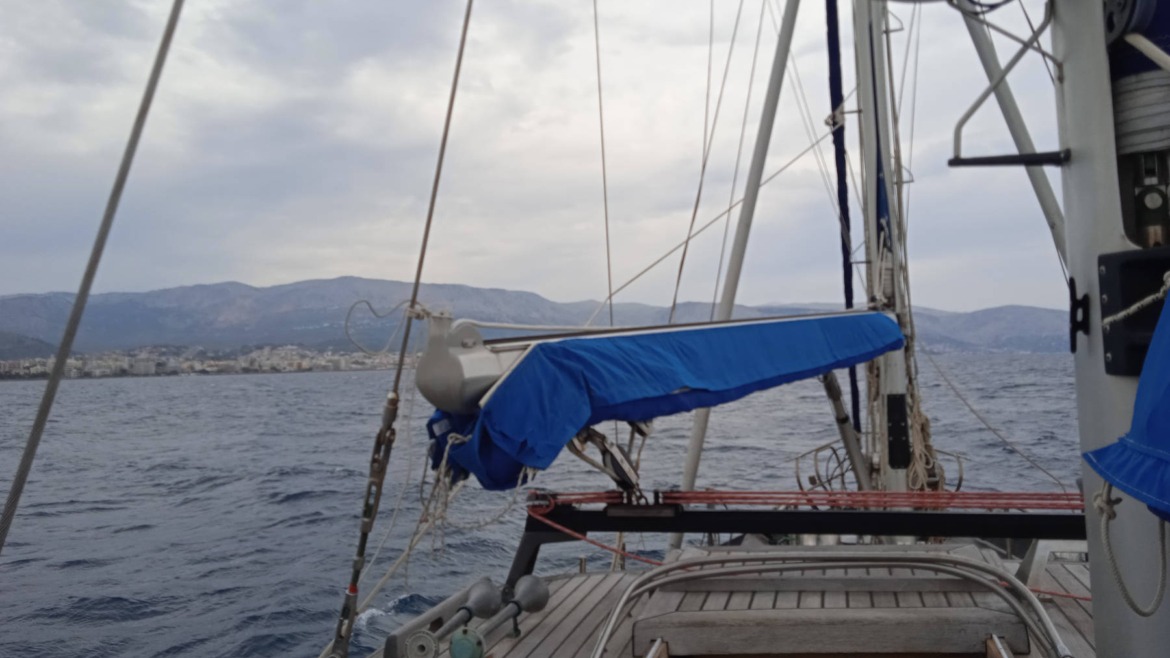
An expedition yacht is designed for long-distance sailing, autonomy and safety far beyond the limits of typical coastal cruising. Unlike a charter boat built for short seasonal trips, an expedition yacht is a tool for serious voyages and life at sea.
What Is an Expedition Yacht
The main difference of an expedition yacht is reliability. Every critical system should be simple, robust and, ideally, duplicated. On a true expedition yacht, reliability always comes before speed, fashion or marina comfort.
Many experienced sailors agree that for an expedition yacht steel construction is often preferable to fiberglass. Steel offers higher impact resistance and survivability in extreme situations such as grounding, collision with floating debris or containers. A steel hull with plating around 5 mm thick provides a serious safety margin and significantly reduces structural risks.
Expedition Yacht Autonomy
Autonomy is a defining feature of any expedition yacht. Large fuel and water reserves allow long passages without dependence on marinas or frequent resupply. For example, Ganesh carries approximately 2 tons of diesel fuel and about 2 tons of fresh water, far exceeding the capacity of most modern production yachts of similar size.
This level of autonomy allows flexible routing, long stays at anchor and true independence from infrastructure — a key requirement for expedition-style sailing.
Energy and Equipment on an Expedition Yacht
An expedition yacht must have a flexible and redundant energy system. Alongside standard DC systems, a full 220V onboard network is highly desirable. A marine generator provides efficient battery charging with lower fuel consumption compared to running main engines.
Solar panels and a wind generator are essential components of an expedition yacht. In real conditions, renewable energy often covers most household needs, including continuous refrigerator operation and onboard electronics.
On Ganesh, the galley and storage systems are designed for long-term living: multiple refrigerators instead of a single unit, and a mixed cooking system using both electric power and gas. This redundancy increases comfort and reliability during long voyages.
Comfort and Safety at Sea
An expedition yacht is not about squeezing the maximum number of people onboard. Long journeys require space, storage and proper living conditions. Boats around 18 meters in length are well suited for expedition use, comfortably accommodating 6 people, with 8 as a practical upper limit.
Safety equipment capacity often defines this limit as well. Liferafts and emergency systems are designed for a specific number of crew, and exceeding that number compromises safety.
Compared to mainstream cruising yachts, an expedition yacht requires more attention and maintenance. However, it offers a completely different level of safety, comfort and independence. These yachts are chosen not for short vacations, but for meaningful journeys and a shared philosophy of seamanship.

